How Much Is the Masai Mara Private Vehicle Cost Per Day?
A private Masai Mara game-drive vehicle typically costs about USD 150 to 300 a day with a driver-guide, fuel, and normal game-drive use included. Luxury Land Cruisers, extended hours, or specialist photography vehicles can reach roughly USD 350 to 450. Some operators advertise around USD 200 to 260 for a standard private Land Cruiser.
For a solo traveller weighing masai mara private vehicle cost against a shared minibus seat, the gap can feel steep. A shared vehicle spreads the daily rate across four to six guests. A private vehicle puts the whole figure on one person. What you buy with that difference is control. You get your own pace, your own stops, and a guide whose full attention is on you, not the group.
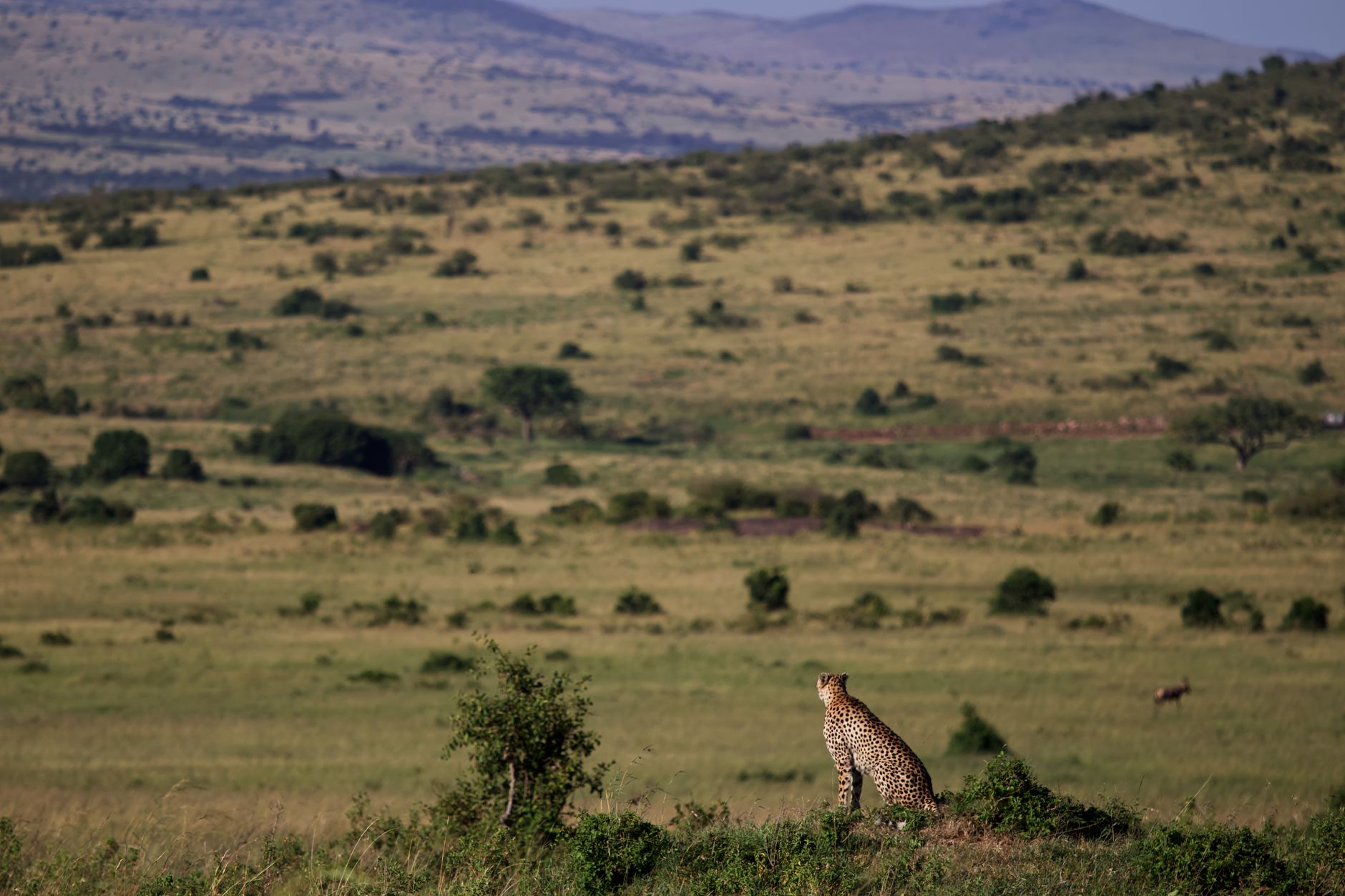
This matters more in the Mara than in most parks, because sightings move fast. A cheetah hunt or a river crossing does not wait for a vehicle to finish someone else’s photo stop. Private use means the driver can linger, reposition, or leave the moment you’re ready, without negotiating with other guests.
What Does a Private Safari Vehicle Rate Include?
Confirm that the quoted rate includes exclusive vehicle use, a professional driver-guide, fuel, and the agreed game-drive hours. It often excludes accommodation, meals, park or conservancy fees, flights, transfers, gratuities, and specialist activities. Ask whether the price covers a full day, a set number of hours, or only scheduled drives.
Some quotes bundle in bottled water and a picnic lunch for full-day drives away from camp. Others charge these as extras. Because operators define “full day” differently, ask for start and end times in writing before comparing two quotes side by side. A rate that looks cheaper on paper may cover fewer hours or a smaller radius around camp.
It’s also worth asking what happens if the vehicle breaks down or a game drive runs long. Reputable operators absorb that risk rather than passing it to the guest. Vehicle costs vary across reserves. Our guide to Ol Pejeta safari costs is worth a look before you request quotes.
Private Land Cruiser or Safari Minivan: Which Costs More?
A safari minivan is generally the lower-cost option, at roughly USD 150 to 180 a day. A private Toyota Land Cruiser commonly costs about USD 200 to 250, and a Defender runs around USD 220 to 260. Open-sided or photography-focused vehicles usually cost more because they offer better viewing, positioning, or specialist equipment.
The minivan’s pop-up roof works fine on tarmac and graded reserve tracks, but it struggles on the rougher trails inside private conservancies. A Land Cruiser sits higher, handles mud season better, and usually offers a flatter floor for camera bags and bean bags. If your itinerary includes Mara North, Olare Motorogi, or Naboisho, a Land Cruiser is close to a practical requirement rather than a luxury upgrade.
| Vehicle type | Typical daily rate (indicative, USD) | Best suited for |
|---|---|---|
| Shared minivan | 60 to 90 per person | Budget group travel, standard reserve routes |
| Private minivan | 150 to 180 | Solo or couple, tarmac and reserve tracks |
| Private Land Cruiser | 200 to 260 | Conservancy access, rougher terrain, longer days |
| Luxury or photography vehicle | 350 to 450 | Dedicated photographers, extended golden-hour drives |
These figures are indicative ranges rather than fixed prices, since fuel costs, vehicle age, and operator overhead all shift the final quote.
How Do Solo Travellers Pay for a Private Vehicle?
A solo traveller normally pays the full vehicle rate rather than splitting it with other guests. That means USD 200 to 300 a day becomes a substantial personal supplement. For a luxury solo trip, the value comes from control: departure times, wildlife stops, photography space, and route choice. It is not about the lowest per-person price.
Some camps offer a single supplement on accommodation but still charge the group rate for game drives. That applies if you’re willing to share a vehicle with other guests staying at the same property. That’s often the more affordable route if budget matters more than total privacy. If exclusivity is the point of the trip, though, a dedicated vehicle removes the guesswork about who else might be riding along.
It helps to think of the vehicle cost as a line item separate from the camp rate. Avoid folding it into a single mental number. That makes it easier to compare two very different quotes on equal terms.
What Are Masai Mara Park Fees and Conservancy Fees in 2026?
The published 2026 fee schedule lists USD 100 per non-resident adult per day from January through June, and USD 200 from July onward. Vehicle entry is charged separately. Fees can change, so travellers should confirm the applicable rate and whether an operator has already included it.
Conservancy fees work differently. Camps inside Mara North, Olare Motorogi, or Naboisho typically bundle a conservation fee into the nightly camp rate. They rarely charge it separately at a gate. That fee funds anti-poaching patrols, grazing management for Maasai landowners, and a cap on the number of vehicles allowed at any sighting. It’s one reason conservancy stays often cost more than a reserve-only itinerary. It’s also why sightings inside a conservancy tend to feel calmer, with fewer vehicles jockeying for position.
Ask your operator to itemise park fees, conservancy fees, guide accommodation, and any balloon safari or cultural visit separately from the vehicle rate. A single bundled figure makes it hard to see where the money is actually going.
How Does Season and Location Change the Price?
Rates usually rise during July to October demand, especially when migration viewing and premium camps create limited availability. Green and shoulder seasons can offer better value, but wildlife sightings and road conditions may differ. Staying inside or near a conservancy can cost more than the public reserve while providing quieter drives, off-road options, and fewer vehicles.
The reserve itself, the Masai Mara National Reserve, allows the highest vehicle density around popular sightings like river crossings. A conservancy caps vehicle numbers per sighting, often to a handful, and permits off-road driving and night drives that the reserve does not. That flexibility is part of what pushes conservancy vehicle and accommodation rates higher.
If you’re deciding between destinations rather than just seasons, Masai Mara vs Amboseli walks through how the two compare on cost and wildlife density. And before locking in dates, it’s worth reading about the best time to visit the Masai Mara. The migration calendar shifts vehicle demand as much as the calendar month does.
Is Private Vehicle Hire Cheaper Than a Complete Masai Mara Safari Package?
Vehicle-only hire is useful when accommodation and logistics are already arranged. A complete package may include the vehicle, guide, meals, lodging, park or conservancy fees, and flights. As a rough, indicative guide, a four-day private-vehicle package might fall somewhere between USD 1,400 and 2,500 per person at mid-range level. Luxury travel can run USD 2,500 to 4,500 or more. Exact figures vary by operator, season, and camp.
Booking vehicle hire alone only makes sense if you already have camp arranged and simply need transport and a guide for specific days. For most solo travellers planning a full itinerary, a packaged rate is easier to compare and budget against. It avoids stitching together separate quotes for the vehicle, the camp, and the fees. Our overview of overall Kenya safari costs breaks down how these pieces usually add up across a longer trip. It’s worth reading alongside any masai mara private vehicle cost you’re quoted.
How Do You Choose the Right Private Vehicle for a Luxury Solo Safari?
Choose a private Land Cruiser when comfort, photography, long game drives, and rougher conservancy tracks matter more than the lowest rate. Check window configuration, seat availability, charging points, roof design, guide experience, and whether off-road driving is permitted. For one luxury traveller, the guide and operating area can matter more than the vehicle badge.
A vehicle with only three or four seats booked out for one guest gives you a full row to spread camera gear across. Ask whether the roof hatch opens on both sides. That affects how easily you can shoot in either direction without asking the driver to reposition. A guide who specialises in your conservancy of choice often adds more to the experience than any vehicle upgrade. That’s especially true if they know the resident cats by name.
Before you pack, it’s worth checking our Masai Mara safari guide for a fuller picture of what a private itinerary typically involves. It also helps to review what alcohol is typically available on safari, so you know what to expect from your camp.
Frequently Asked Questions
How much does a private vehicle cost in Masai Mara?
Expect approximately USD 150 to 300 a day for a guided private vehicle, with standard Land Cruisers commonly around USD 200 to 260. Luxury, open-sided, or photography vehicles can cost USD 350 to 450 a day. This normally excludes accommodation and personal park or conservancy fees.
Is a private safari vehicle worth it for one person?
It can be worthwhile for a luxury solo traveller who values privacy, flexible timings, photography space, and a personalised guide. The main drawback is that one guest absorbs the entire vehicle cost. A private vehicle is a comfort and access choice, not a budget choice.
How much does a private Land Cruiser cost in Masai Mara?
A private Land Cruiser generally costs about USD 200 to 250 a day. Rates can rise for luxury specifications, extended hours, peak dates, or specialist photography use. Check whether fuel, the driver-guide, and full-day game drives are included before accepting a quote.
What is included in a private Masai Mara vehicle?
A typical guided rate includes exclusive use of the vehicle, a driver-guide, fuel, and game drives for the agreed period. It may not include accommodation, meals, park entry, conservancy fees, airport transfers, flights, gratuities, or activities, so request an itemised quotation.
How much are Masai Mara park fees in 2026?
The published 2026 fee schedule lists USD 100 per non-resident adult per day from January through June, and USD 200 from July onward. Vehicle entry is charged separately. Fees can change, so confirm the applicable rate and whether an operator has already included it.
Ready to Compare Safari Operators?
Once you know roughly what a private vehicle should cost, the next step is matching that figure against real quotes. Browse packages and compare safari operators through FindMySafari, Valley Safaris, or Trunktrails Safaris. See how private-vehicle rates, conservancy fees, and camp pricing stack up for the dates and conservancy you have in mind.
Where Can You Find More Safari Planning Resources?
- Kenya national parks map from SafariPure
- Masai Mara Great Migration guide from Trunktrails Safaris
- Interactive Maasai Mara map from Valley Safaris
- Compare Kenya safari packages on FindMySafari